
Citizen Science aims at creating a bridge between science and the public, actively involving citizens in research projects. In this way, citizen scientists can take action side by side with experts, contributing to the increase of scientific knowledge, addressing local, national and international issues that need scientific support and having the potential to influence policy-making.
By becoming a citizen scientist people help to protect the European native biodiversity, make a contribution to science at the time they develop new skills and enjoy an outdoor activity. Everyone can be a citizen scientist no matter the occupation, age or location – all what is needed is passion for nature and the willingness to get involved.
The EU Regulation 1143/2014 on invasive alien species (IAS) acknowledges the important role public awareness and active involvement of the citizens have in contributing to the successful implementation of the Regulation. In this context, EASIN aims at bringing together citizens, scientists and policy makers in an effort to monitor and control alien invasive species that cause damage to native species, ecosystems and even to people. Timely reporting helps to prevent the spread of IAS, thus the contribution of citizens is really important. Knowing the distribution of these species will facilitate the official surveillance, the adoption of efficient measures for prevention, early detection and control of IAS, reducing the ecological and economical damages that they may cause.
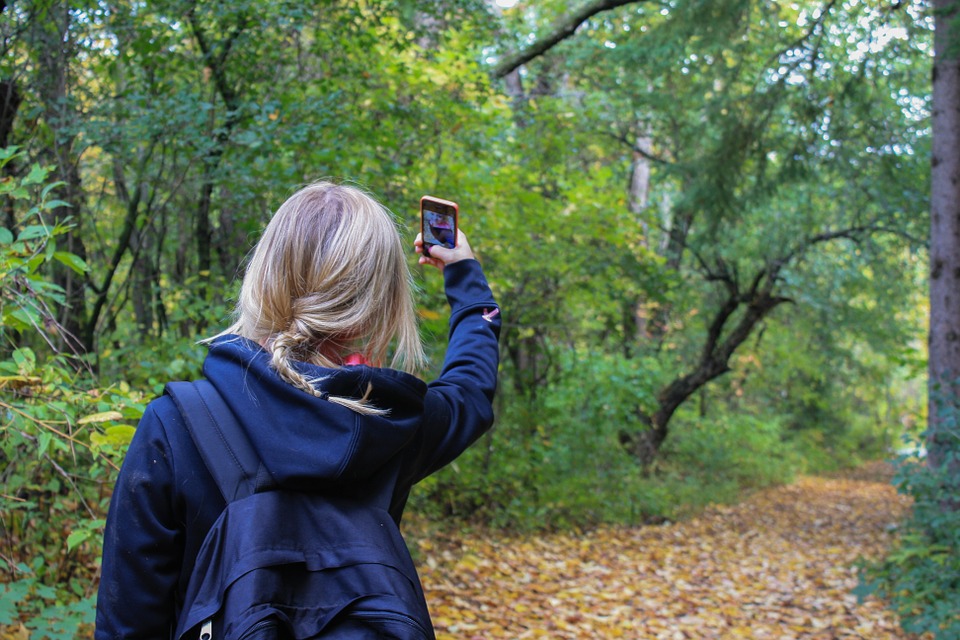
Multimedia Resources on Invasive Alien Species
This collection of media resources showcases EASIN’s activities on invasive alien species (IAS) and highlights opportunities for citizens to get involved. The materials include storytelling initiatives, educational videos, images of IAS of Union concern, presentations from European workshops and events, and project results such as the AlienScenarios project.
All of these resources are linked to our citizen science efforts, illustrating how individuals can actively participate in monitoring and managing invasive alien species across Europe. Explore the content and learn more about the different ways to engage with IAS projects.
You can contribute to increase scientific knowledge and spatial distribution about IAS in Europe by reporting observations of species listed as of Union concern using the App or the Web Application